
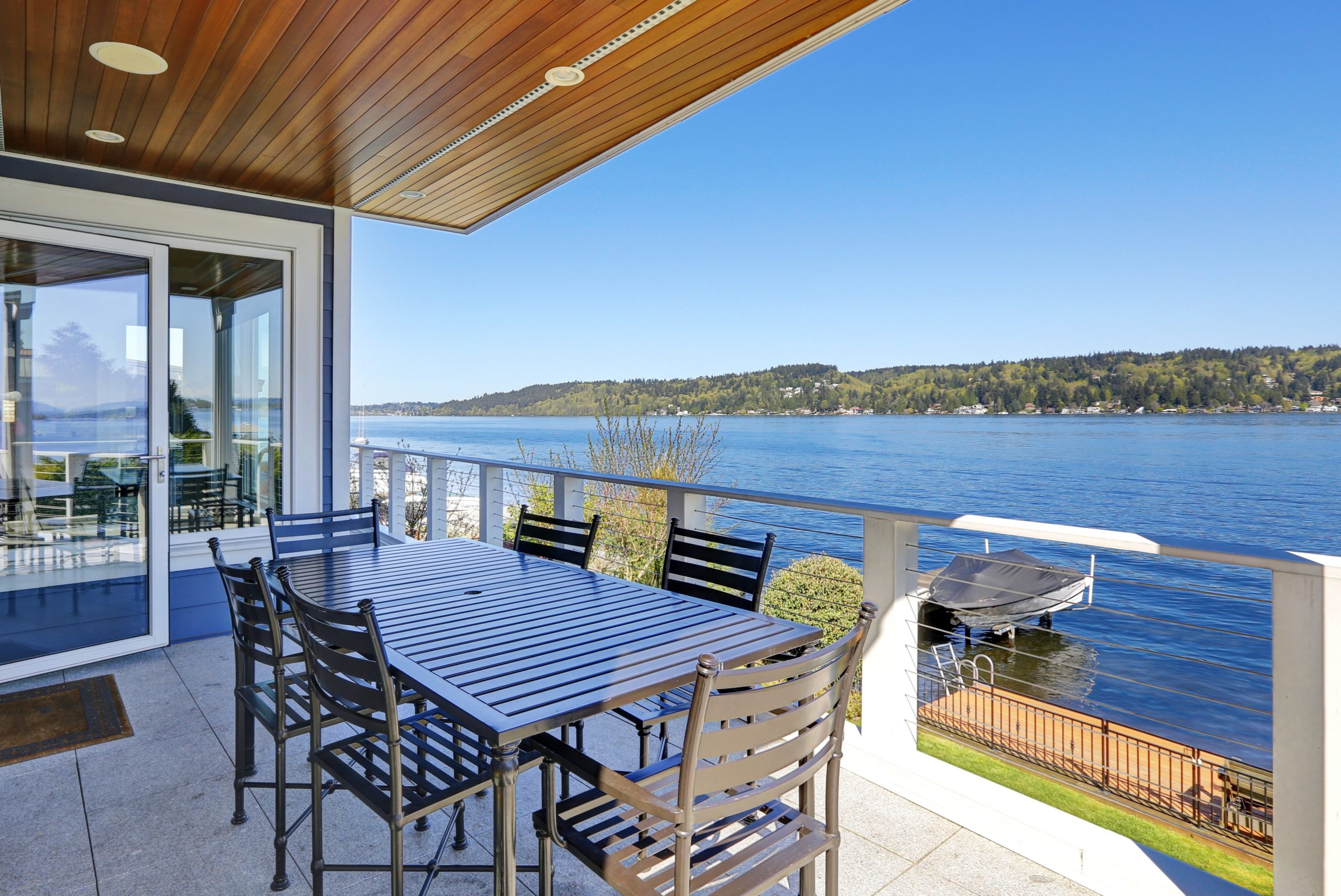
Owning a waterfront property requires a specialized approach to property care due to constant moisture, fluctuating water levels, and intense sun exposure. Effective lake house maintenance relies on proactive prevention rather than reactive repairs, especially when managing the unique climate shifts of East Texas. By establishing a routine check of your dock, foundation, and exterior siding, you protect your investment and ensure your property remains safe throughout the year.
How Does Lakefront Living Change Standard Home Maintenance?
Waterfront properties face environmental pressures that inland homes never encounter. High humidity accelerates wood rot, moisture creates breeding grounds for mold, and shifting lake levels put unique stress on shoreline structures. Maintaining a lake house means inspecting your exterior components twice as often as a standard suburban home to catch water intrusion before it causes structural damage.
The proximity to water alters how materials age. Constant exposure to wind and damp air means that metals rust faster, paint peels quicker, and wood requires specialized sealants to prevent warping. Homeowners must shift their mindset from seasonal cosmetic updates to structural preservation.
Why Is Dock Stability Your Top Priority on Cedar Creek Lake?
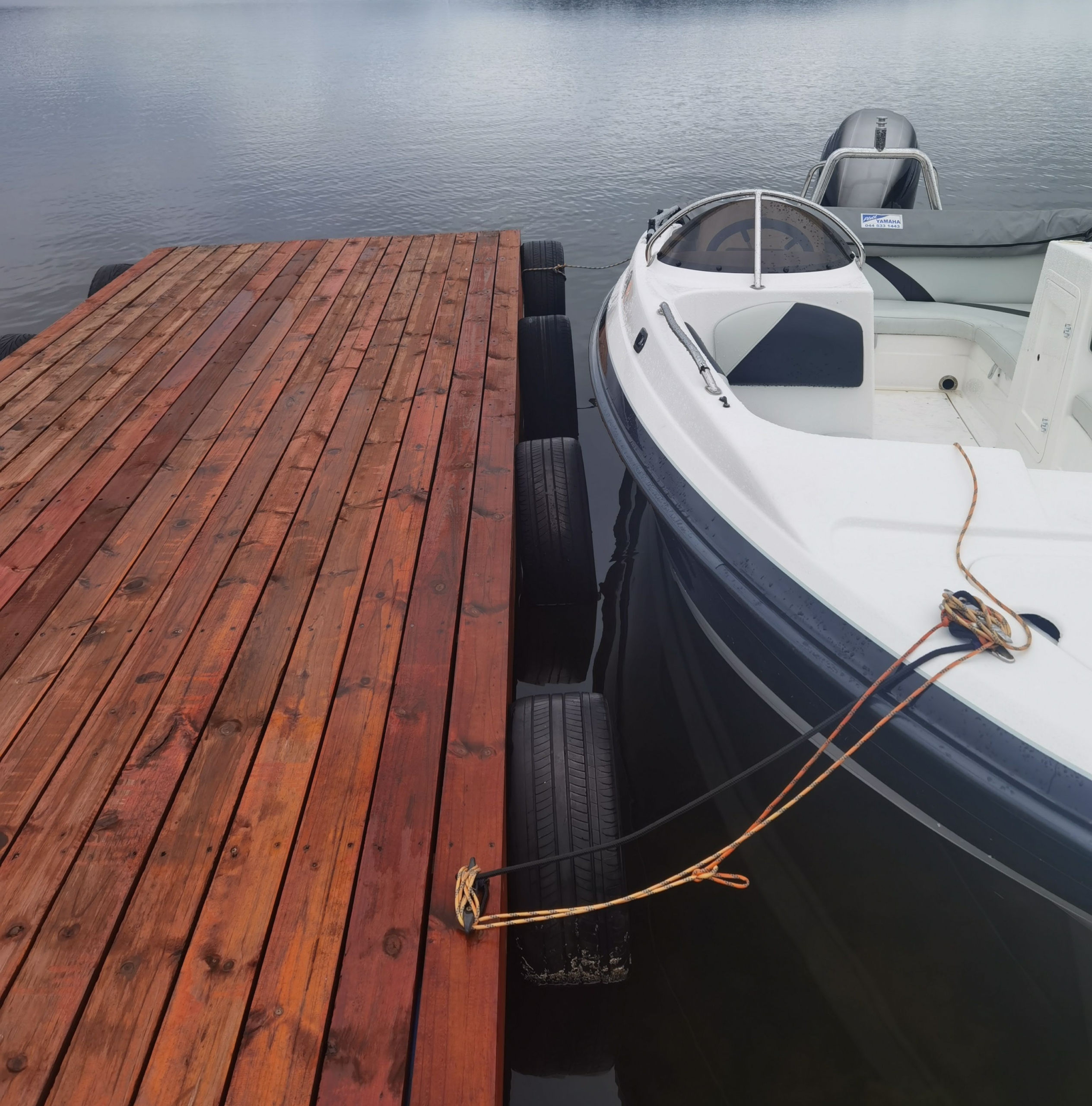
A lake house dock is constantly exposed to water submersion, wave action, and wakes from passing boats, making it the most vulnerable structure on your property. Regular inspections prevent minor wood splits or loose bolts from turning into structural failures that require complete replacement. Checking your dock cables, hardware, and flotation devices every spring ensures your waterfront setup remains secure and usable.
Inspecting Hardware and Under-Dock Structures
The structural integrity of a dock depends entirely on the condition of its underwater supports and framing hardware. Metal brackets, bolts, and visual tie-downs must be made of marine-grade stainless steel or galvanized metal to resist rust.
Look for signs of heavy corrosion, loose nuts, or hairline cracks in the metal connectors during your inspections. If your dock uses a floating system, check the encapsulation tubs for punctures or leaks that could cause the platform to sit unevenly in the water.
Wood Treatments and Splinter Prevention
The decking boards on your dock take a beating from both the sun and splashing lake water. Untreated wood will dry out, crack, and create splinter hazards for anyone walking barefoot.
Apply a high-quality, slip-resistant marine sealant every two years to block UV rays and repel water. Avoid solid stains or heavy paints on the deck surface, as these trap moisture inside the wood fibers, leading to hidden rot from the inside out.
How Do You Protect Exterior Siding from High Humidity?
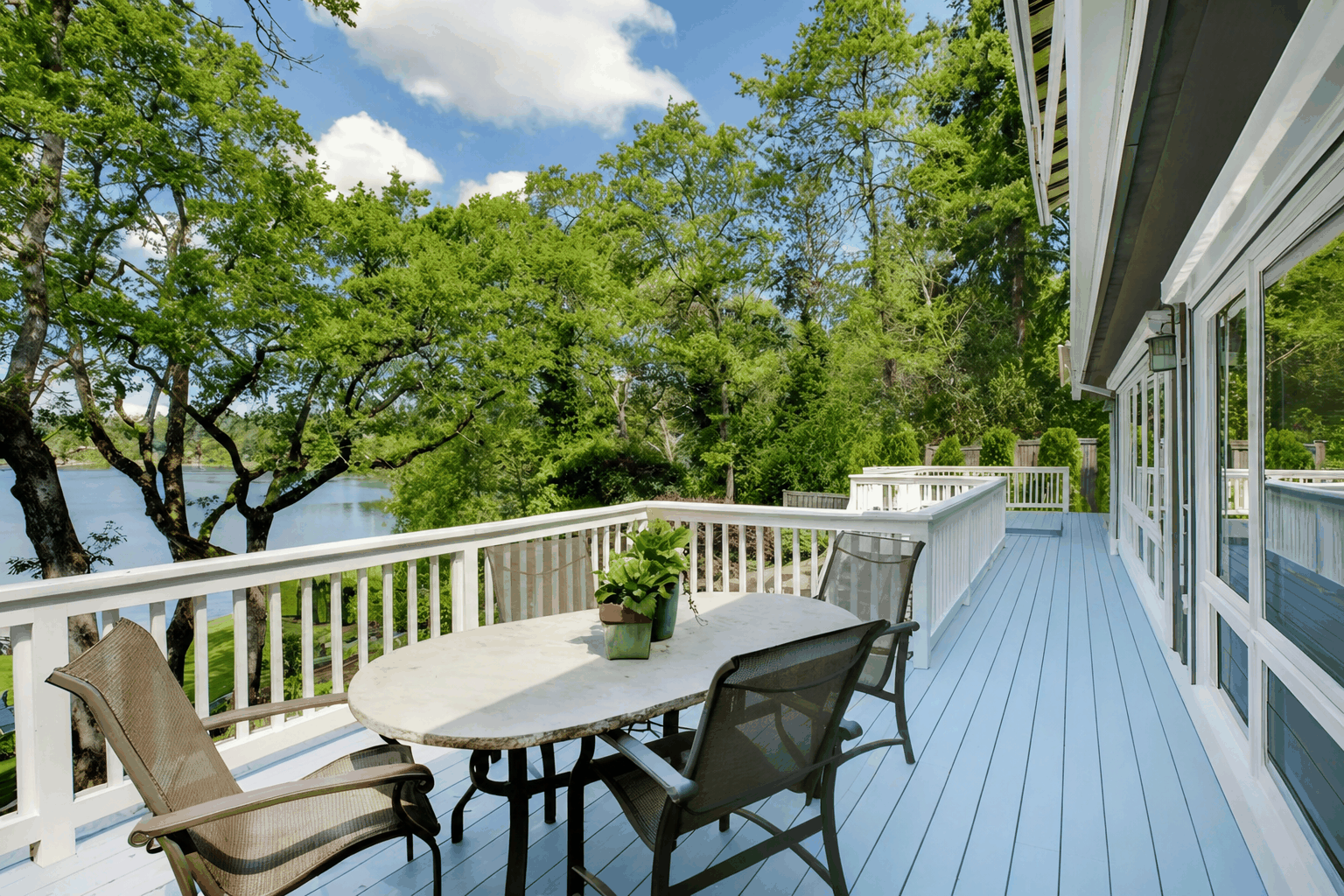
High humidity and lakeside mist create an ideal environment for mold, mildew, and wood rot to settle into your home’s exterior walls. Protecting your siding requires a combination of proper material selection, clean drainage pathways, and regular pressure washing to remove organic growth. Failing to seal exterior gaps allows moisture to seep into the wall cavities, leading to costly drywall and framing repairs inside the home.
Washing and Removing Organic Growth
Algae and mold love the damp, shaded sides of a lakefront home. Left unchecked, these organisms eat away at paint layers and penetrate wood pores.
Use a specialized mold-inhibiting wash paired with a low-pressure spray to clean your siding each spring. High-pressure washing can force water behind the siding panels, so stick to a gentle rinse that cleans the surface without breaking the water-resistant barriers underneath.
Sealing Gaps Around Windows and Doors
Wind patterns off the water push rain sideways, forcing moisture into microscopic cracks around your home’s entry points. Inspect the caulking around every window frame, exterior door trim, and utility pipe entry point annually. Replace brittle or peeling caulk with a premium exterior silicone product that flexes with temperature changes without cracking or losing its grip on the wall.
What Shoreline Erosion Prevention Tactics Actually Work?
Constant wave action from wind and boat traffic slowly pulls soil away from your property line, shrinking your yard over time. Shoreline stabilization is a necessary defense mechanism that preserves your land value and protects the root systems of nearby trees. Implementing effective retaining walls or natural rock barriers stops the slow pull of water against your soil banks.
Maintaining Retaining Walls and Seawalls
Whether your property uses a steel, concrete, or wooden seawall, the structure faces immense pressure from both the lake water in front and the wet dirt behind it. Check your wall for bowing, cracking, or loss of soil right behind the barrier. Ensure the weep holes—small openings that let water drain out from the land side—remain clear of debris so hydrostatic pressure does not build up and crack the wall.
Utilizing Riprap and Natural Barriers
For areas where a vertical wall is not ideal, riprap (layering large, interlocking stones along the slope) offers excellent protection. The rough surface of the stones breaks up the energy of incoming waves, preventing them from scouring away the soil underneath. Check your riprap zones after heavy storms to ensure the rocks have not shifted or sunk into the mud, adding new stones to thin areas as needed.
How Do You Keep Lakeside Pests Out of Your Home?
The rich ecosystem around a lake means spiders, mud daubers, mice, and wood-boring insects are always looking for ways to enter your living space. Pest control for a lake house requires consistent exclusion tactics and reducing the attractants around your foundation. Keeping bugs out keeps your structure clean and protects your family from common regional pests.
Clearing Debris and Managing Vegetation
Spiders and insects use tree branches and tall grass as bridges to reach your roofline and siding. Trim all tree limbs back at least three feet from your roof and keep foundation plants neatly pruned. Remove piles of driftwood, decaying leaves, or stored firewood away from the main house structure, as these serve as prime nesting grounds for termites and rodents.
Maintaining Screens and Sub-Floor Vents
Lakeside bugs can find even the smallest rip in a window screen or an unshielded crawl space vent. Check all window and porch screens for minor tears each season and patch them immediately. Install heavy-duty wire mesh over attic vents and crawl space openings to block squirrels, raccoons, and larger pests from nesting in your insulation.
What Seasonal Plumbing Steps Prevent Winter Pipe Bursts?
Texas winters can bring sudden, severe freezes that pose a major risk to lake homes, particularly seasonal properties that sit empty during colder months. Preparing your plumbing involves draining exterior lines, insulating exposed pipes, and managing indoor temperatures during freeze events. Taking these preventative steps eliminates the risk of returning to a flooded home in the spring.
Draining Outdoor Spigots and Dock Lines
Any pipe exposed to the open air will freeze faster than pipes buried underground or hidden inside insulated walls. Shut off the main water valve leading to your outdoor spigots and your dock lines, then open the taps completely to let any trapped water drain out. If water freezes inside these lines, the expanding ice will split the copper or PVC pipes instantly.
Setting Internal Thermostats During Winter Vacancies
If you do not live at your lake house full-time during the winter, never turn your heating system completely off. Set your thermostat to a minimum of 55 degrees Fahrenheit to keep the interior walls warm enough to prevent indoor pipes from freezing. Open cabinet doors under sinks along exterior walls to allow warm air to circulate around the plumbing connections.
Frequently Asked Questions
How often should I seal my wooden lake dock?
You should apply a high-quality marine-grade sealant to your wooden dock every two years. If your dock receives full sun exposure all day, you may need to apply a fresh coat annually to prevent the wood from splitting, warping, and splintering.
What is the best material for a lakeside retaining wall?
Steel sheet piling and reinforced concrete are the longest-lasting materials for lakeside retaining walls on Cedar Creek Lake. While treated wood walls are cheaper up front, they rot much faster and require replacement far sooner than metal or concrete options.
How do I stop spiders from overtaking my lake porch?
Minimize spider populations by switching your exterior lightbulbs to yellow LED “bug bulbs,” which do not attract the insects spiders eat. Regularly sweep away webs and egg sacks from your eaves, and use a residual pest treatment around the perimeter of your porch ceilings.
Should I leave my boat lift in the water over winter?
If your boat lift is located in a shallow cove prone to freezing or heavy winter wind swells, it is best to raise the cradle to its highest position out of the water. Inspect the lift cables and grease the pulleys before winter sets in so the mechanism is protected from damp winter air.
Keep Your Waterfront Investment in Peak Condition
Proactive home maintenance preserves the beauty, safety, and long-term market value of your waterfront property. By addressing dock wear, siding moisture, and shoreline erosion early, you avoid major structural repairs and enjoy a stress-free lake lifestyle. Partnering with a dedicated community resource ensures your property remains a source of pride for years to come.
Emerald Bay at Cedar Creek Lake provides a premier residential framework where high-quality home preservation meets luxury lakefront living. Our team helps homeowners navigate the specifics of lakeside property management to ensure your investment stays protected through every season. Enquire today